


Miniature Pinscher Training Tips
How to Raise a Confident & Obedient Min Pin
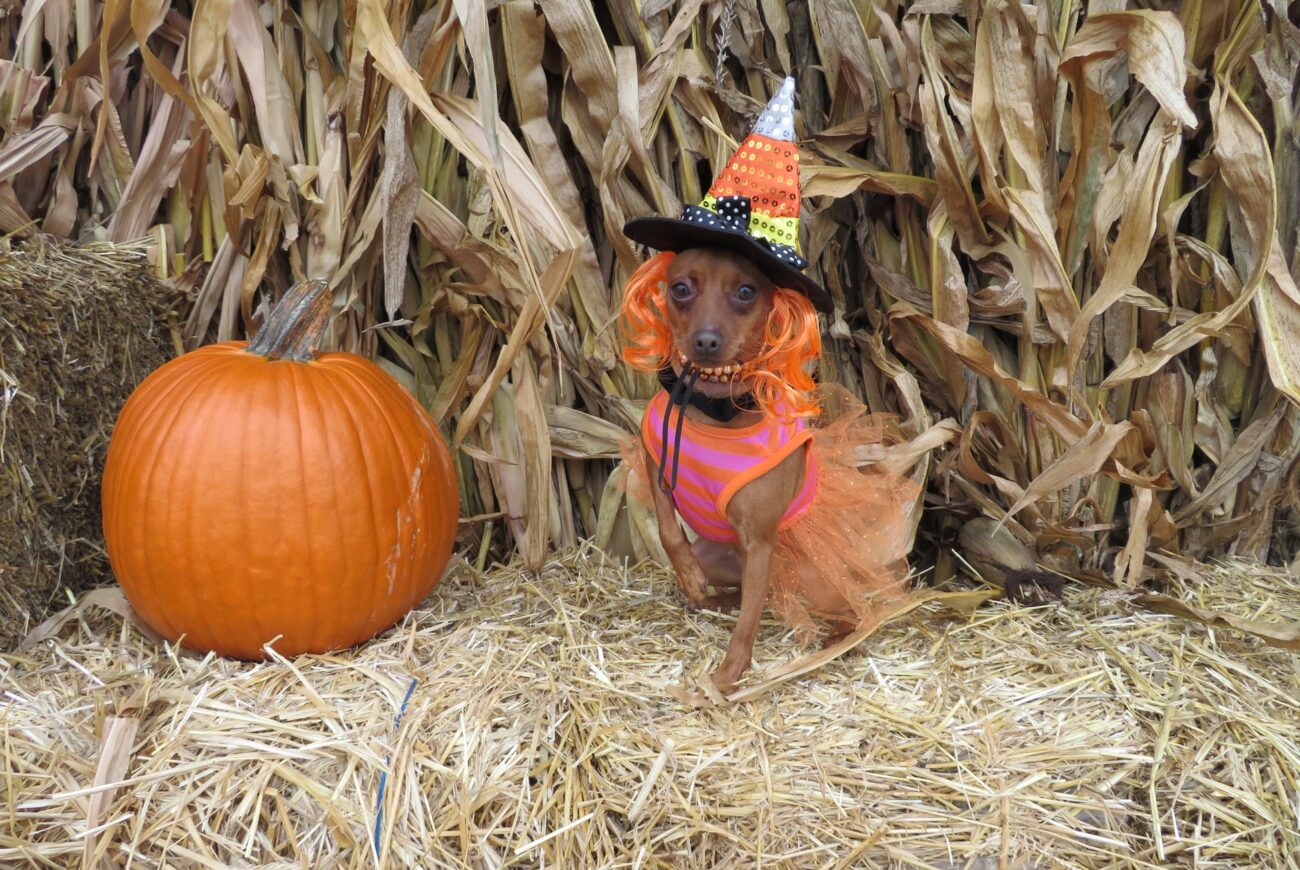
Miniature Pinschers, or Min Pins, are bold, energetic, and intelligent companions that pack a powerful personality into a small frame. But with their fiery spirit comes the need for consistent, patient, and effective training. In this guide, we’ll provide expert Miniature Pinscher training tips and behavior strategies to raise a confident and obedient Min Pin.
Understanding the Miniature Pinscher’s Personality
The first step in successful Miniature Pinscher training is understanding their unique temperament. Min Pins are:
- Alert and curious: They investigate everything around them.
- Independent thinkers: They often question commands before obeying.
- Energetic and fearless: Known as the “King of Toys,” they act much bigger than they are.
- Strong-willed and stubborn: Without early training, they may try to dominate the household.
Knowing these traits is essential to building a training strategy tailored to their nature.
Start Early: Training Your Miniature Pinscher Puppy
Early socialization and training are critical. The best time to start is between 8 to 12 weeks of age. During this developmental phase, your puppy is most receptive to learning and adapting to new experiences.
Key Puppy Training Goals
- Housebreaking: Begin crate training immediately. Stick to a consistent schedule for potty breaks.
- Name Recognition: Reinforce their name with treats and praise every time they respond.
- Leash Training: Start leash walks early to avoid pulling behaviors later.
- Socialization: Expose them to different people, dogs, sounds, and environments.
- Basic Commands: Start with “sit,” “stay,” “come,” and “down.” Use positive reinforcement techniques only.
Training during this stage sets the tone for your Min Pin’s lifelong behavior.
Positive Reinforcement Is Key
Punishment-based methods do not work with Min Pins and can even lead to aggression or anxiety. Instead, rely on:
- Treat rewards for correct responses
- Verbal praise (“Good boy!” or “Good girl!”)
- Clicker training for clear feedback
- Playtime as a reward after tasks
Always keep training sessions short and fun—Min Pins have short attention spans and can become bored easily.
Correcting Common Miniature Pinscher Behavior Issues
1. Excessive Barking
Min Pins are vocal. To manage this:
- Identify the triggers (strangers, doorbells, other dogs).
- Use the “Quiet” command and reward silence.
- Desensitize with repeated exposure in controlled settings.
2. Digging and Chewing
This is often a result of boredom or excess energy.
- Provide daily mental stimulation with puzzle toys.
- Ensure at least two brisk walks per day.
- Give access to safe chew toys and redirect when needed.
3. Aggression Toward Other Dogs
Socialization is the solution.
- Introduce your Min Pin to friendly, well-behaved dogs in neutral environments.
- Correct aggression calmly with the “Leave it” command and immediate redirection.
Establishing Leadership Without Harshness
Min Pins are dominant by nature. If not given clear boundaries, they can become bossy or aggressive. Establish leadership by:
- Setting house rules (no jumping on furniture unless invited).
- Controlling access to resources (you give food, toys, and affection).
- Reinforcing obedience daily—not just during training time.
Remember, leadership is about confidence and consistency, not intimidation.
Leash Training Your Miniature Pinscher
Many Min Pins become leash-pullers or leash-reactive if not trained early.
Leash Training Tips:
- Use a well-fitted harness, not a collar, to protect their neck.
- Practice the “Heel” command using treats to guide them beside you.
- Stop walking the moment they pull; only resume when the leash is slack.
- Work in low-distraction areas first before heading to busy parks or streets.
Crate Training for Safety and Comfort
Crate training is not a punishment—it gives your Min Pin a safe den. It also helps with:
- Potty training
- Preventing separation anxiety
- Reducing destructive behaviors
Start by feeding meals inside the crate and leaving the door open. Gradually increase the time your dog spends inside, always associating the crate with positivity.
Daily Routine and Mental Enrichment
Min Pins thrive on structure. A consistent routine helps avoid behavioral issues like anxiety and restlessness.
Daily Needs:
- Exercise: 30–60 minutes of activity daily
- Training drills: 10–15 minutes of commands or tricks
- Mental games: Use snuffle mats, treat-dispensing toys, or simple hide-and-seek games
- Affection time: Bonding is essential to build trust
Advanced Training Goals for a Confident Min Pin
Once your Miniature Pinscher masters basic obedience, you can advance to:
- Canine Good Citizen (CGC) certification
- Agility training: Min Pins excel in speed and agility
- Therapy dog prep
- Trick training for mental engagement
These activities challenge their sharp minds and keep them focused and happy.
Consistency Over Perfection
The key to successful Miniature Pinscher training is consistency. Everyone in the household must follow the same rules, cues, and responses. Mixed signals lead to confusion and misbehavior.
Make training a lifestyle, not a one-time event. Reinforce commands during walks, play, feeding, and casual interactions. This integration makes obedience second nature for your Min Pin.
When to Seek Professional Help
If you’re struggling with severe behavioral issues, consider hiring a professional dog trainer familiar with small breeds. Look for:
- Certification from organizations like CPDT-KA or IAABC
- Experience with Miniature Pinschers or similar breeds
- Positive-only training techniques
Conclusion
Raising a confident and obedient Miniature Pinscher requires early socialization, positive reinforcement, and daily mental and physical engagement. With dedication and structure, your Min Pin can be a joyful, loyal, and well-behaved companion.